
Understanding Radon and Its Importance in Home Purchasing Decisions
- Zac Bales-Henry
- Apr 15
- 3 min read

When buying a home, many factors come into play: location, price, size, and condition. Yet, one invisible threat often goes unnoticed—radon. This naturally occurring radioactive gas can seep into homes and pose serious health risks. Testing for radon before purchasing a property is crucial to ensure safety and peace of mind. This article explains what radon is, why it matters, and how testing can protect you and your family.
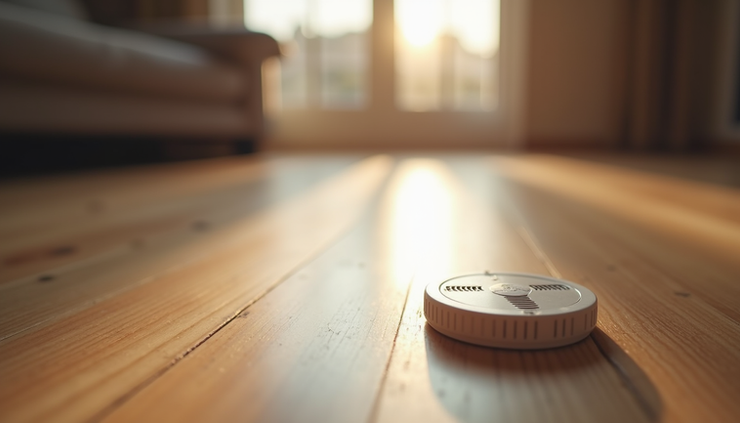
What Is Radon?
Radon is a colorless, odorless, and tasteless gas produced by the natural breakdown of uranium in soil, rock, and water. It moves up through the ground and can enter buildings through cracks in foundations, gaps around pipes, or other openings. Because it is invisible and undetectable by human senses, radon can accumulate indoors without anyone realizing it.
Radon is measured in picocuries per liter (pCi/L) of air. The U.S. Environmental Protection Agency (EPA) recommends action if radon levels exceed 4 pCi/L, though even lower levels carry some risk.
Why Radon Is a Health Concern
Radon is the second leading cause of lung cancer after smoking. When inhaled, radon decay products release radiation that damages lung tissue. The risk increases with higher radon levels and longer exposure times.
Here are key points about radon’s health impact:
Radon causes about 21,000 lung cancer deaths annually in the U.S., according to the EPA.
Smokers exposed to radon face a much higher risk than non-smokers.
Children and the elderly may be more vulnerable to radon’s effects.
Because radon exposure is silent and symptoms appear only after years, testing is the only way to know if your home is safe.
How Radon Enters Homes
Radon originates in soil and rock beneath the ground. It enters homes through:
Cracks in concrete floors or walls
Construction joints and gaps around service pipes
Openings around sump pumps or drains
Crawl spaces and basement floors
Homes with basements or lower levels are more likely to have higher radon levels because the gas accumulates near the ground. However, radon can affect any home, regardless of age or construction type.
Why Testing for Radon Is Essential Before Buying a Home
Testing for radon before purchasing a home is a smart step for several reasons:
Health protection: Knowing radon levels helps you avoid long-term exposure to a dangerous carcinogen.
Negotiation tool: If high radon levels are found, you can negotiate repairs or price adjustments with the seller.
Peace of mind: Testing removes uncertainty and ensures your new home is safe.
Legal requirements: Some states require radon disclosure or testing during real estate transactions.
Skipping radon testing can lead to costly mitigation later or, worse, health consequences.
How Radon Testing Works
Radon testing is simple and affordable. There are two main types of tests:
Short-Term Tests
Last from 2 to 7 days
Use devices like charcoal canisters or electronic monitors
Provide quick results to identify if further testing is needed
Long-Term Tests
Last from 90 days to 1 year
Use alpha track detectors or electret ion chambers
Give a more accurate average radon level over time
For home buying, short-term tests are common because they fit within the inspection period. If results show elevated radon, a long-term test or mitigation is recommended.
What to Do If Radon Levels Are High
If testing reveals radon levels above 4 pCi/L, mitigation steps can reduce it effectively:
Sealing cracks and openings: Limits radon entry points.
Installing a vent pipe system: A vent pipe and fan system (called sub-slab depressurization) pulls radon from beneath the home and vents it outside.
Improving ventilation: Increases air circulation to dilute radon indoors.
Professional radon mitigation typically costs between $800 and $2,500, depending on the home size and system complexity. This investment significantly lowers health risks.
Radon Testing Tips for Homebuyers
To ensure accurate results and protect your investment, follow these tips:
Test during the home inspection period.
Use a certified radon tester or approved test kits.
Close windows and doors during testing to avoid air exchange.
Avoid testing during extreme weather or high winds.
Ask sellers for previous radon test results if available.
Consider retesting after mitigation to confirm effectiveness.
Radon and Real Estate Market Impact
Radon testing is becoming more common in real estate transactions. Some states require disclosure of radon levels or testing reports. Buyers who test and mitigate radon often find better long-term value and safety in their homes.
Ignoring radon can lead to:
Reduced property value
Health liability concerns
Higher insurance premiums in some cases
Being proactive about radon shows responsibility and care for your family’s well-being.


Comments